A good poultry first aid kit helps you respond fast when a hen gets pecked, cut, or develops bumblefoot. The right supplies can make a small problem easier to manage before it turns into a bigger one.
Below, we focus on practical flock-care essentials and wound sprays that fit real backyard and small-farm needs in 2026.
Best 10 Poultry First Aid Kit Picks for 2026
Backyard Flock Ready
Essential Poultry First Aid Kit
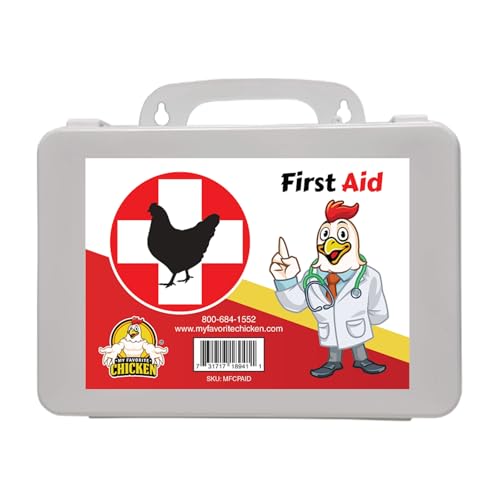
- 15-piece poultry-focused kit
- Waterproof hanging case keeps supplies dry
- Made for minor injuries and pecking wounds
Best For: Backyard chicken owners needing compact, organized emergency supplies
Silver Wound Care

- Patented silver spray with distilled water
- Safe for beak, feet, wings, and skin
- Designed for pecking sores, cuts, and burns
Best For: Chicken owners wanting an easy spray-on treatment for minor skin issues
All-Purpose Kit
First Aid Only QuickTreat Dispenser

- 352-piece general first aid assortment
- Organized case with compartments and dispenser
- Portable for home, work, and travel
Best For: Buyers wanting a large general first aid kit alongside flock care
Compact Silver Spray

- 4-ounce spray bottle for easy storage
- Colloidal silver and deionized water formula
- For pecking sores, cuts, and irritation
Best For: Chicken and bird owners needing a small carry-friendly wound spray
First-Aid Spray Pick
Vetericyn Plus Poultry Care Spray

- Helps with pecking sores, bumblefoot, vent prolapse, and frost bite
- Antibiotic-free and non-toxic with no egg withdrawal period
- Veterinarian recommended for at-home flock care
Best For: Backyard chicken keepers needing a simple daily wound-care spray
Organic Coop Care
Eaton Pet and Pasture Flock First Spray

- USDA Certified Organic and made in the USA
- Gentle spray formula that won’t burn or sting
- Covers cuts, pecking wounds, bumblefoot, frostbite, and more
Best For: Owners who want an organic, easy-to-spray flock wound treatment
Large-Batch Wound Care
Chicken's Choice Advanced Spray

- 32 oz concentrate offers more product for repeated treatments
- Covers bumblefoot, vent prolapse, pecking sores, burns, and irritation
- Biodegradable, hypoallergenic, and antibiotic-free
Best For: Flocks that need a larger, mix-as-needed wound care supply
Gentle Daily Skin Support
Lemant Poultry Care Spray (8.5 oz)

- Non-stinging, no egg withdrawal
- Supports minor wounds and bumblefoot care
- Over 2,000 sprays per bottle
Best For: Backyard flocks needing routine skin support and easy no-rinse care
Rapid Relief Wound Spray
Dr. Orchard's Chicken Wound Spray

- Non-stinging and no egg withdrawal
- Made for wounds, pecks, bumblefoot, and vent care
- Over 2,500 sprays in a 12 oz bottle
Best For: Mixed flocks and keepers wanting a larger everyday wound spray
Hypochlorous Healing Aid
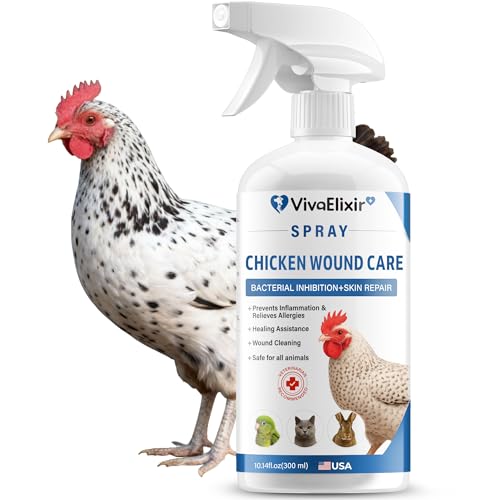
- Hypochlorous acid formula, alcohol-free and dye-free
- Non-stinging with no withdrawal period
- For chickens, ducks, and other birds
Best For: Keepers wanting gentle cleansing support for everyday wound care
Backyard Flock Ready – Essential Poultry First Aid Kit
If you want a poultry first aid kit that is ready for fast, practical use, this 15-piece set keeps the basics organized in one waterproof hanging case. It is built for backyard chicken owners who want compact supplies for minor injuries, pecking wounds, and routine flock care without sorting through a larger general-purpose kit.
Best For: Backyard poultry keepers who want a compact, weather-proof kit for coop-side emergencies and routine minor care.
Pros:
- Includes 15 poultry-focused tools and medical supplies in one kit.
- Waterproof hanging case helps keep items dry and organized.
- Designed for quick response to minor injuries and common flock concerns.
- Compact enough to fit into home, coop, or travel preparedness setups.
Cons:
- Smaller 15-piece kit may not cover larger or more complex care needs.
- Built for basic preparedness rather than extensive treatment.
This is a sensible choice if you value tidy storage and fast access over a bulky supply box. It works well as a dedicated poultry first aid kit for everyday backyard use.
Silver Wound Care – Chicken Wound Spray
This chicken wound spray is a useful add-on for a poultry first aid kit when you want an easy way to address minor skin issues. The silver-based formula is designed for pecking sores, bumblefoot, cuts, burns, and irritations, and it can be sprayed on skin or feathered areas without stinging.
Best For: Chicken keepers who want a spray-on wound care option for minor injuries and irritated skin.
Pros:
- Patented silver solution with only chelated silver and distilled water.
- Can be used on head, beak, feet, wings, skin, and feather areas.
- Safe for birds to peck and lick after application.
- Spray or stream mode makes it easy to target affected areas.
Cons:
- Works as a topical care product, not a full replacement for veterinary treatment.
- Best suited to minor wounds and irritations rather than major injuries.
For owners who prefer a simple, non-stinging wound spray, this product fits neatly into a practical chicken care routine. It is especially handy when you need quick coverage over hard-to-treat areas.
All-Purpose Kit – First Aid Only QuickTreat Dispenser
If your poultry first aid kit also needs to serve people around the coop, this 352-piece general first aid set offers broad coverage for minor cuts, abrasions, and wounds. It is not poultry-specific, but it provides a well-organized, easy-access supply case that can support home, worksite, and outdoor emergency needs.
Best For: Buyers who want a large general first aid kit to complement poultry care and household preparedness.
Pros:
- Large 352-piece assortment covers common minor injuries.
- Organized case includes compartments, a tilt-down shelf, and clear front cover.
- Built-in bandage and BZK dispenser adds quick access.
- Portable design works for home, work, and travel use.
Cons:
- Not designed specifically for poultry care.
- Bulkier than a compact coop-only kit.
This is a strong general-purpose option if you want one organized kit for people and basic emergency situations. For flock-specific needs, it works best as a companion to dedicated poultry supplies.
Compact Silver Spray – Chicken Wound Spray 4 Oz
For a poultry first aid kit that needs a compact spray treatment, this 4-ounce bottle offers a simple way to address minor wounds and irritations. The formula uses colloidal silver and deionized water, and it is meant for pecking sores, bumblefoot, cuts, and similar issues on head, beak, feet, and wings.
Best For: Chicken and bird owners who want a small, easy-to-carry silver spray for minor wound care.
Pros:
- Small 4-ounce bottle is easy to store or carry.
- Natural formula uses colloidal silver and deionized water.
- Suitable for minor wounds, irritations, and pecking sores.
- Can be applied directly and used multiple times per day.
Cons:
- Complementary treatment only and cannot replace specialist care.
- Shake-before-use step adds a little prep before application.
This spray makes sense if you want a low-bulk treatment to keep in a coop bag or travel kit. It is a practical choice when quick topical care matters more than a large supply set.
First-Aid Spray Pick – Vetericyn Plus Poultry Care Spray
If you’re building a poultry first aid kit, this spray is a practical option for everyday coop injuries. Vetericyn Plus Poultry Care is made for chicken wounds, pecking sores, bumblefoot, vent prolapse, frost bite, and similar skin problems, with an antibiotic-free and non-toxic formula.
Best For: Backyard chicken keepers who want a veterinarian-recommended, no egg-withdrawal wound spray for common flock injuries.
Pros:
- Helps with a wide range of poultry skin issues, including pecking injuries and bumblefoot
- Antibiotic-free, non-toxic formula with no egg withdrawal period
- Veterinarian recommended for at-home flock care
- Simple spray application for repeated daily use
Cons:
- 8 oz size may run out faster in a larger flock
- Focused on skin repair and wound support, not a full multi-item kit
For chicken owners who want a dependable wound-care spray on hand, this is a strong staple to keep in the coop cabinet. It covers many of the common issues that show up in a poultry first aid kit without adding harsh ingredients.
Organic Coop Care – Eaton Pet and Pasture Flock First Spray
For a poultry first aid kit built around a gentler formula, this USDA Certified Organic spray is aimed at common backyard chicken injuries. Eaton Pet and Pasture Flock First is designed for cuts, scrapes, pecking wounds, sores, minor burns, bumblefoot, frostbite, and scaly leg mites, with a spray application that’s meant to be easy to use in the coop.
Best For: Poultry keepers who want a USDA organic, farmer-owned wound spray that won’t sting or burn.
Pros:
- USDA Certified Organic and made in the USA
- Gentle formula designed not to burn or sting
- Convenient spray bottle for quick flock first aid
- Vet recommended for common coop injuries
Cons:
- 8 oz bottle may be small for treating multiple birds regularly
- Product details are focused on wound care, not broader coop health supplies
This is a solid pick if you prioritize organic ingredients and a low-stress application. It fits well in a poultry first aid kit for routine scrapes and wound support, especially when you want a formula that’s easy to apply.
Large-Batch Wound Care – Chicken's Choice Advanced Spray
If your poultry first aid kit needs a larger supply, this concentrate stands out for volume and versatility. Chicken’s Choice Wound Care is an advanced spray for bumblefoot, vent prolapse, pecking sores, burns, and other skin irritations, and the 32 oz size makes it easier to mix as needed for repeated treatments.
Best For: Chicken keepers who want a larger, concentrate-based wound spray for frequent use.
Pros:
- Large 32 oz size is useful for ongoing flock care
- Designed for bumblefoot, vent prolapse, pecking sores, burns, and skin irritations
- Antibiotic-free, low-pH formula with no bandages required when used as directed
- Biodegradable and hypoallergenic
Cons:
- Requires dilution before use, so it takes a little more prep
- Avoids the eyes and may sting if applied there
- Not as grab-and-go as a ready-to-spray bottle
This is the most volume-focused option in the group, which is helpful if you treat injuries often or manage a bigger flock. The concentrate format adds flexibility, but it also means it is less immediate than a pre-mixed spray.
Gentle Daily Skin Support – Lemant Poultry Care Spray (8.5 oz)
If you want a poultry first aid kit staple for everyday coop issues, this gentle spray is designed for minor wounds, pecking irritation, bumblefoot care, and vent-area support. It’s non-stinging, antibiotic-free, steroid-free, and made for easy spray-and-go use on backyard flocks.
Best For: Backyard chicken keepers who want a calm, no-rinse spray for routine skin support and minor flock injuries.
Pros:
- Non-stinging formula with no egg withdrawal for laying hens
- Useful for pecking irritations, bumblefoot care, minor wounds, and vent-area support
- Easy spray application with no rinsing required
- Long-lasting bottle with over 2,000 sprays
Cons:
- Focused on gentle support rather than heavy-duty treatment
- Best suited to minor care needs and daily maintenance
As a practical chicken first aid kit addition, this spray stands out for convenience and routine use. It’s a straightforward option when you want something easy to apply during coop checks without disrupting laying cycles.
Rapid Relief Wound Spray – Dr. Orchard's Chicken Wound Spray
For a poultry first aid kit built around daily flock care, this wound spray is aimed at minor wounds, pecking injuries, bumblefoot, and vent-area discomfort. The non-stinging formula is antibiotic-free, steroid-free, and intended for simple spray application without rinsing.
Best For: Chicken keepers who want a gentle, everyday wound spray with extra bottle capacity and no egg withdrawal.
Pros:
- Non-stinging formula that’s safe if pecked or accidentally ingested
- No egg withdrawal period for laying hens
- Useful for pecking injuries, bumblefoot, vent-area support, and minor scrapes
- Large 12-ounce bottle with over 2,500 sprays
Cons:
- Designed for daily support rather than aggressive treatment
- Spray is best used with clean, moist wound care routines
This is a strong pick if you want a dependable chicken first aid kit spray for regular use across mixed flocks. It emphasizes ease, safety, and repeated application for common backyard poultry issues.
Hypochlorous Healing Aid – Chicken Wound Spray
If your poultry first aid kit needs a cleaner-focused spray, this hypochlorous formula is made for wounds, cuts, pecking injuries, burns, and skin irritations. It’s alcohol-free, dye-free, non-toxic, and designed to cleanse without stinging.
Best For: Poultry owners who want a hypochlorous acid spray for gentle cleansing and everyday wound support.
Pros:
- Hypochlorous acid formula for rapid healing support
- Gentle, non-stinging, and non-toxic
- No withdrawal period required
- Suitable for chickens, ducks, and other birds
Cons:
- Smaller bottle than some competing sprays at 10.14 oz
- Specific usage details are less extensive than other poultry sprays
This option makes sense if you prioritize a simple cleansing spray for routine flock care. It’s a practical fit for keepers who want a veterinarian-recommended style formula without antibiotics or harsh chemicals.
How We Picked These Poultry First Aid Kit Options
We looked for products that support the most common backyard poultry issues: minor wounds, pecking injuries, bumblefoot, irritated skin, and vent-area concerns. Priority went to easy-to-use treatments, clear poultry-specific positioning, and options that work for routine first response.
We also considered value, simplicity, and whether a product is better suited to a single-bird emergency or broader flock care. Because a Poultry First Aid Kit is usually used under stress, ease of application matters as much as the formula itself.
Quick Comparison: Which Type Fits Your Needs?
Some buyers want a complete starter kit with tools and basics. Others need a focused spray for cleaning and supporting skin repair. If you are building a Poultry First Aid Kit from scratch, start with a wound-care spray, gauze, gloves, and basic cleaning supplies. If you already have those items, a specialized spray may be the most useful upgrade.
Key Buying Factors for a Poultry First Aid Kit
Coverage for Common Problems
Look for support for cuts, scrapes, pecking sores, bumblefoot, and minor burns. The best Poultry First Aid Kit should handle the issues you are most likely to see in a coop or run.
Ease of Use
Sprays are often the fastest choice because they can be applied without a lot of handling. That is helpful when treating a nervous bird or when you need a quick, repeatable routine.
Safety and Skin Support
Choose products made for birds or poultry-specific use whenever possible. Skin-friendly formulas are especially important for repeated care, sensitive areas, and birds that may already be stressed.
Storage and Shelf Readiness
A Poultry First Aid Kit should be easy to grab, store cleanly, and keep ready for emergencies. Check packaging size, shelf stability, and whether the item fits well in a barn cabinet or coop-side tote.
Who Should Buy Which Poultry First Aid Kit?
New chicken keepers should lean toward simple, poultry-specific wound care and a few basic supplies rather than overbuying. Small-flock owners may want a compact Poultry First Aid Kit that is easy to keep near the coop. Larger flocks or breeders may prefer backup bottles and a more complete response setup so they are ready for multiple birds at once.
If your birds have had repeated pecking, foot issues, or vent-area irritation, choose a treatment-focused kit or spray that can be used quickly and consistently. The best choice is the one you can reach, understand, and use correctly when an injury happens.