Finding the right duck nesting box can make a real difference during breeding season, especially if you want a setup that is protected, durable, and easy to maintain.
Below, we focus on options suited for outdoor use, with an eye toward weather resistance, mounting flexibility, and species-appropriate shelter.
Best 10 Duck Nesting Box Picks for 2026
Wood Duck Habitat Shelter

- 17 x 10 x 10 inch wood shelter
- Drainage holes help keep it dry
- Grooves aid duckling exit
Best For: Wood ducks and hooded mergansers in ponds or wetlands
Multi-Pack Poultry Nesters

- Three nesting boxes in one pack
- Tool-free Velcro assembly
- Indoor or outdoor use
Best For: Mixed backyard flocks needing simple laying boxes
Predator-Guard Waterfowl House

- Dual 4-inch entry holes
- Removable roof for easy cleaning
- Elevated design helps deter predators
Best For: Conservation-style mallard nesting in outdoor habitats
Heavy-Duty Rollaway Coop Box

- Roll-away egg collection system
- Galvanized steel resists rust
- Reversible mount for flexible setup
Best For: Large coops needing a durable rollaway laying box
Wooden Pond Nesting Pick

- Natural solid wood build for outdoor use
- Dual doors simplify egg checks and cleaning
- Sized for small ducks near ponds and gardens
Best For: Natural-looking backyard or pond-edge duck nesting
Weatherproof Plastic Nest
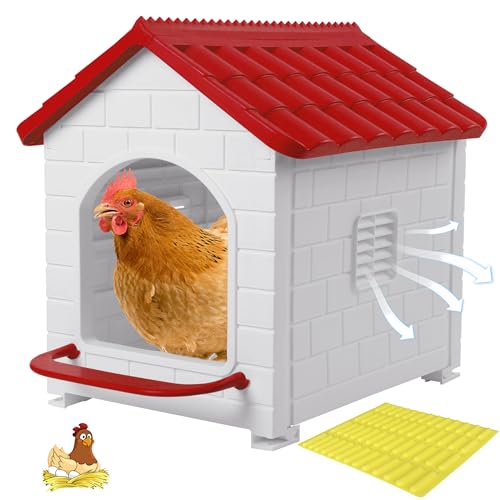
- Plastic build with pointed roof for drainage
- Ventilation windows and perch add comfort
- Snap-together design is easy to clean
Best For: Low-maintenance nesting spot with easy cleanup
Camouflage Wetland Nest
Waterproof Wooden Duck Nesting Box

- Bark-texture entrance blends into natural cover
- Asphalt roof and sealed wood resist weather
- Wide interior supports deeper nesting
Best For: Wetland-style nesting where camouflage and shelter matter
Roll-Away Plastic Nesting Box
Extra-Large 2-Compartment Roll-Away
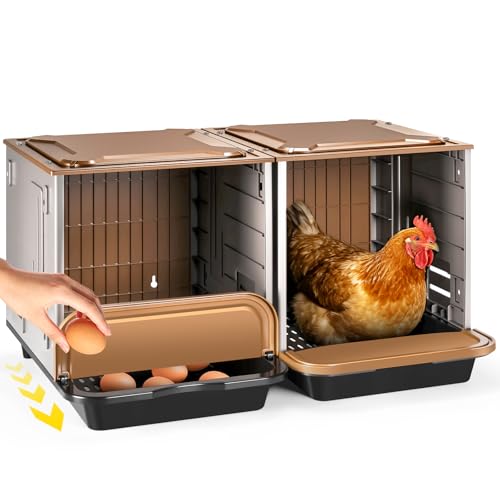
- Two private compartments for laying birds
- Roll-away slope helps protect clean eggs
- Plastic build is rust-free and easy to clean
Best For: Backyard keepers wanting easy egg collection and low-maintenance nesting
Wood Duck House Pick
Weather-Resistant Wood Duck House

- Built for ducks, mergansers, and waterfowl
- Weather-resistant wood for outdoor placement
- Removable lid supports easy cleaning
Best For: Pond and wetland owners wanting a compact waterfowl nesting shelter
Waterproof Multi-Species Box

- Sized for ducks, chickens, rabbits, and poultry
- Waterproof body is easy to rinse clean
- Includes a soft pad plus ventilation windows
Best For: Multi-species households needing a private, easy-clean nesting space
Wood Duck Habitat Shelter – Compact Outdoor Duck Nest Box
If you need a duck nesting box for tree-dwelling waterfowl, this wood duck house is built around a compact 17 x 10 x 10 inch shelter with a 3 x 4 inch entrance and drainage holes to help keep the interior dry and hygienic. It is designed for outdoor use near ponds or wetlands, with a simple wood build that aims to support safe nesting for wood ducks and hooded mergansers.
Best For: Outdoor placement near ponds or wetlands for wood ducks and similar tree-nesting species.
Pros:
- Drainage holes help keep the nesting area dry
- Grooves below the opening give ducklings a climb-out path
- Pre-drilled holes and included tools make installation straightforward
- Made from wood with no chemicals or solvents used
Cons:
- Single-box design may not suit larger flock setups
- Best matched to specific species rather than general poultry use
Overall, this is a practical duck nesting box for buyers who want a species-focused shelter with simple installation and duckling-friendly details. Its modest size and weather-ready wood construction make it a good fit for conservation-minded outdoor setups.
Multi-Pack Poultry Nesters – Soft Orange 3-Pack Nest Boxes
This duck nesting box option is a 3-pack of soft polypropylene nesting boxes made for chickens and some poultry, giving you a simple indoor or outdoor laying area with easy-clean surfaces. At 14 1/4 x 12 1/2 x 12 1/4 inches, it is sized for a range of breeds, and the bright orange color is presented as a way to stimulate egg production.
Best For: Mixed backyard poultry keepers who want an easy-to-install multi-pack laying box.
Pros:
- 3-pack helps outfit multiple laying spots at once
- Velcro assembly requires no extra tools
- Durable polypropylene is described as soft and easy to clean
- Suitable for indoor or outdoor use
Cons:
- Primarily designed as a chicken nesting box, not a species-specific duck shelter
- Open, lightweight construction may not suit all coop setups
For shoppers comparing a duck nesting box to a general poultry solution, this model stands out more for convenience and value than specialized duck features. It is a good pick if you need a simple, low-effort nesting setup for a mixed flock.
Predator-Guard Waterfowl House – Hexagonal Mallard Nest Box
Built as a duck nesting box for outdoor habitat use, this hexagonal wood house measures 19.7 x 10.2 x 10.2 inches and uses dual 4-inch entry holes to support airflow, safer access, and natural movement for mother mallards. The removable roof and pre-drilled mounting holes also make it easier to install and maintain in ponds, wetlands, or backyard conservation spaces.
Best For: Buyers who want a conservation-style duck house with added predator protection and easy cleaning.
Pros:
- Dual entry holes improve airflow and natural access
- Elevated entry and enclosed angles are designed to deter predators
- Removable roof simplifies cleaning and upkeep
- Pre-drilled holes and included hardware support flexible mounting
Cons:
- More specialized than a basic all-purpose nesting box
- Single unit may be best for targeted habitat placement
This is a strong choice if your priority is a duck nesting box with conservation-focused features rather than a general poultry box. The safety-minded layout and easy maintenance details make it appealing for habitat restoration and bird-watching setups.
Heavy-Duty Rollaway Coop Box – Reversible Metal Nesting Unit
If you want a duck nesting box with roll-away egg collection, this galvanized steel nesting unit offers a large 24 x 19.5 x 20 inch layout designed for hens, ducks, and other poultry. It includes reversible mounting, adjustable red curtains, and a covered collection area to make egg gathering more convenient while helping keep the nesting space cleaner.
Best For: Larger coops that need a durable, easy-collect nesting box with roll-away eggs.
Pros:
- Roll-away design simplifies egg collection
- Galvanized steel construction is rust-resistant and durable
- Large size suits flocks of 20+ hens
- Reversible mounting and included hardware add flexibility
Cons:
- Assembly requires some hands-on skill
- Heavier metal build is less portable than lightweight boxes
For buyers focused on function, this is more of a heavy-duty laying solution than a naturalistic duck nesting box. Still, its waterproof, durable build and roll-away egg system make it a practical upgrade for busy coops.
Wooden Pond Nesting Pick – Solid Wood Outdoor Duck House
If you want a duck nesting box that looks natural and works in wetland-style settings, this solid wood house is built for small ducks like wood ducks, mallards, teal, and hooded mergansers. It’s sized for outdoor placement near ponds, lakes, gardens, or backyard habitats, with a simple design focused on seasonal nesting and easy upkeep.
Best For: Backyard or pond-edge setups where a natural wood duck nesting box with simple access and mounting matters.
Pros:
- Dual access doors make egg checks and seasonal cleaning easier.
- Solid natural wood construction is made for outdoor use.
- Sloped roof helps shed rainwater in changing weather.
- Landing perch and sized entrance support small duck species.
Cons:
- Assembly is required and mounting hardware specifics are limited.
- Wood finish may need more care than plastic in very wet conditions.
This is a practical pick if you want a straightforward, wildlife-friendly duck nesting box that blends into outdoor surroundings and offers easier maintenance than many basic shelters.
Weatherproof Plastic Nest – Chicken Nesting Box for Ducks
This duck nesting box is a practical option if you want a simple, weather-resistant laying spot for ducks and other poultry. Its plastic build, pointed roof, and included pad are designed to keep the interior dry and comfortable, while the snap-together setup makes it easy to get started without tools.
Best For: Buyers who want a low-maintenance duck nesting box with easy cleaning and a weatherproof plastic shell.
Pros:
- Premium plastic construction is sturdy and waterproof.
- Pointed roof helps drainage and reduces water seepage.
- Ventilation windows and entrance perch improve airflow and comfort.
- Includes a soft latex pad for a more comfortable laying area.
Cons:
- Target species is listed as chicken, so duck use is a broader fit rather than duck-specific.
- Plastic styling may feel less natural in garden or pond settings.
For buyers who care more about easy maintenance than rustic looks, this duck nesting box offers a straightforward, weatherproof layout with helpful comfort features.
Camouflage Wetland Nest – Waterproof Wooden Duck Nesting Box
For a duck nesting box that’s designed to blend into wetland surroundings, this wooden model uses a bark-texture entrance and waterproof exterior finish to support nesting near ponds, swamps, or garden landscapes. The larger interior and asphalt shingle roof are aimed at keeping the nesting area dry, protected, and more comfortable through changing weather.
Best For: Buyers who want a larger, camouflage-style duck nesting box for tree, wall, or pole mounting.
Pros:
- Bark-texture entrance helps it blend into trees, reeds, and brush.
- Asphalt shingle roof adds rain and sun protection.
- Wide interior supports deeper nesting and better ventilation.
- Reinforced backboard allows tree, wall, or pole installation.
Cons:
- Larger size may be less discreet in small garden spaces.
- Wood construction in damp environments may still need routine inspection.
This is a strong choice if you want a duck nesting box that prioritizes camouflage, weather protection, and a roomier interior for seasonal nesting success.
Roll-Away Plastic Nesting Box – Extra-Large 2-Compartment Roll-Away
If you need a duck nesting box-style setup for a backyard flock, this extra-large plastic unit offers a private laying space with a roll-away design that helps keep eggs clean and easier to collect. It is built for hens, but its roomy, durable layout and easy-clean construction make it a practical option for mixed poultry setups where simple egg collection matters.
Best For: Backyard keepers who want a low-maintenance, easy-collection nesting box with private compartments.
Pros:
- Two spacious compartments give laying birds a private, sheltered area.
- Sloped roll-away design moves eggs to a front collection area.
- Plastic construction is all-weather, rust-free, and easy to place or mount.
- Vent holes and bottom drainage holes help keep the interior dry and fresh.
Cons:
- Designed primarily for chickens, not a dedicated duck nesting box.
- Stackable and wall-mount features may be more than some buyers need.
This is a strong fit if your priority is cleaner eggs and simple access, especially where a private, enclosed nesting area is more important than a traditional wood duck house style.
Wood Duck House Pick – Weather-Resistant Wood Duck House
This wood duck nesting box is built as a weather-resistant outdoor shelter for ducks, hooded mergansers, and other waterfowl. With its compact 17x10x10-inch footprint and removable lid, it is a practical choice for ponds, wetlands, or backyard habitats where you want a simple nesting space that is easy to maintain.
Best For: Outdoor pond and wetland setups looking for a compact wood duck house for waterfowl nesting.
Pros:
- Made from wood with weather-resistant construction for outdoor use.
- Sized for wood ducks, hooded mergansers, and similar waterfowl.
- Removable lid makes cleaning and nest monitoring easier.
- Works well for ponds, wetlands, and backyard wildlife habitats.
Cons:
- Compact size may not suit buyers looking for a larger shelter.
- Focused on outdoor mounting or placement rather than indoor use.
For anyone specifically searching for a duck nesting box, this is the most directly relevant option in the set because it is purpose-built for waterfowl and outdoor nesting conditions.
Waterproof Multi-Species Box – Large Waterproof Laying Box
If you want a duck nesting box that can also serve other small farm animals, this waterproof laying box offers a private enclosure with an included soft pad and easy-clean plastic design. It is sized for adult chickens, ducks, rabbits, and even feral cats, making it a flexible choice for indoor or outdoor use where simple maintenance matters.
Best For: Multi-species owners who need a waterproof nesting box for ducks and other small animals.
Pros:
- Large size accommodates adult chickens, ducks, rabbits, and poultry.
- Waterproof plastic body is easy to rinse clean and resists rot.
- Includes a soft pad for a more comfortable laying area.
- Ventilation windows and smooth edges support a cleaner, safer setup.
Cons:
- More of a general nesting box than a duck-specific house.
- Mixed metal and plastic construction may not appeal to buyers wanting all-wood builds.
This box makes sense if versatility is the main goal: it is not a classic wood duck house, but it does give ducks and other animals a private, waterproof place to settle and lay.
How We Picked the Best Duck Nesting Box
For this roundup, we prioritized Duck Nesting Box designs that make sense for outdoor environments and real-world use. That means looking at build material, weather protection, size, ventilation, drainage, mounting options, and how well each box fits ducks, wood ducks, and similar cavity-nesting species. We also considered whether a box could serve a broader poultry setup without sacrificing outdoor durability.
Quick Comparison
In general, wood and solid-wood models are the best fit for ponds, wetlands, and backyard habitat projects because they offer a more natural nesting environment. Plastic and metal nesting boxes can be easier to clean and may work well in mixed poultry settings, but they are often less ideal for a true Duck Nesting Box placed outdoors long term. If your goal is wildlife-friendly shelter, prioritize weather resistance and a design that offers privacy, protection, and stable mounting.
Key Buying Factors for a Duck Nesting Box
Weather Resistance
Outdoor duck houses should handle rain, sun, and seasonal temperature swings. Look for waterproof roofing, sealed joints, raised floors, or materials that resist rot and corrosion. In wet climates, roof overhangs and camouflaged finishes can also help the box blend into its surroundings while staying protected.
Size and Entry Design
The box should be large enough for the intended bird but not so open that it feels exposed. Entrance size, internal depth, and overall footprint matter more than decorative details. Dual entrances can improve accessibility in some designs, while a single sheltered opening may offer more privacy for nesting.
Mounting and Placement
A good Duck Nesting Box needs secure placement. Tree, wall, and post mounting are all common, but the best choice depends on your habitat. For pondside use, mount the box where it stays dry, stable, and elevated enough to reduce disturbance and flooding risk.
Ease of Cleaning
Even a sturdy nesting box should be simple to inspect and clean between seasons. Removable sections, accessible fronts, or straightforward box shapes can make maintenance easier, especially in backyard poultry setups.
Who Should Buy Which Duck Nesting Box?
If you are building a wildlife-friendly pond setup, choose a purpose-built wood Duck Nesting Box with weather resistance and a natural finish. If you need something for a mixed flock or egg-laying area, a chicken nesting box may be the more practical option, especially if easy cleaning and egg collection matter most. Buyers who want a low-maintenance outdoor shelter should focus on waterproof construction and simple mounting, while those prioritizing habitat aesthetics should lean toward wood models that look and perform like a true Duck Nesting Box.