Choosing the right reference can save time, reduce costly layout mistakes, and help you plan a more efficient commercial modular poultry building project.
Below, we’ve narrowed the field to practical guides that cover construction basics, housing design, and commercial production decisions for different budgets and goals.
Best 10 Commercial Modular Poultry Building Picks for 2026
DIY Poultry House Guide
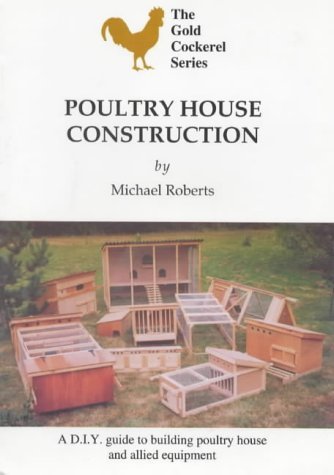
- Detailed plans and material lists
- Covers coops, runs, arks, and nest boxes
- Compact 92-page DIY reference
Best For: Hands-on builders seeking classic poultry-house plans
Classic Poultry House Plans

- Plans and specifications for poultry houses
- Covers different climates and housing sizes
- Facsimile of a classic 1922 guide
Best For: Readers looking for historical poultry-house planning guidance
Modular Construction Primer
Introduction to Commercial Modular Construction

- Focused on commercial modular construction
- Published by the Modular Building Institute
- Useful background for modular projects
Best For: Those wanting a general modular construction overview
Low-Cost Poultry Plans

- Covers coops, feeders, and brooder houses
- Includes plans and historic drawings
- Compact 54-page reprint
Best For: Small-scale poultry keepers needing simple housing ideas
Buyer Guide Pick
Modular Buildings Owner's Guide

- Expert-led overview of commercial modular construction
- Covers leasing, contracts, codes, and permitting
- Includes project documents and common pitfalls
Best For: Project planners evaluating modular building purchases or leases
Poultry Housing Reference

- Focuses on optimizing housing for poultry health
- Offers practical husbandry and design advice
- Short, readable reference for farm planning
Best For: Readers seeking a concise poultry housing reference
Housing Plan Reference

- Detailed instructions for poultry houses and coops
- Includes construction plans and yard layout ideas
- Useful background for housing design research
Best For: Readers wanting poultry housing plans and construction context
Advanced Poultry Farm Guide
Efficient Commercial Flock Systems
- Modern housing systems and bird welfare
- Breed, feeding, and nutrition guidance
- Disease prevention and biosecurity
Best For: Poultry farmers and students improving housing and flock management
Poultry Empire Blueprint
- Covers 8 practical poultry guides in one book
- Includes layers, broilers, turkeys, quail, and eggs
- Built for scaling from backyard to commercial
Best For: Beginners and expanding farmers needing a broad poultry business roadmap
Commercial Poultry Farming

- Covers housing, equipment, and economics
- Includes broilers, layers, and dual-purpose birds
- Short, practical overview for commercial farms
Best For: Readers wanting a concise commercial poultry management guide
DIY Poultry House Guide – Poultry House Construction
If you’re researching a commercial modular poultry building from the ground up, this DIY guide is a practical reference for planning small poultry structures and allied equipment. It covers the needs of different types of fowl and includes detailed plans and material lists for coops, nest boxes, runs, arks, folds, a show box, and even a “poultry palace.”
Best For: Hands-on builders who want a compact planning guide with historic poultry-house layouts and material lists.
Pros:
- Covers multiple poultry housing types, from coops to runs and arks.
- Includes detailed plans and material lists.
- Addresses the needs of various types of fowl.
- Short, focused 92-page format for quick reference.
Cons:
- Geared toward DIY poultry housing, not modern commercial modular construction systems.
- Older-style guidance may feel dated for today’s build standards.
- Best suited to small-scale projects rather than large operations.
This is a useful low-cost planning book if you want traditional poultry-building ideas and straightforward construction references. It is not a commercial modular building manual, but it can still help with basic layout thinking and equipment planning.
Classic Poultry House Plans – How To Build Poultry Houses
How To Build Poultry Houses: Plans and Specifications For Practical Chicken and Poultry Houses
Check Price On AmazonFor shoppers comparing a commercial modular poultry building against older poultry-house methods, this book is a classic planning reference. It focuses on practical chicken and poultry house plans, with guidance for a variety of climates and a broad range of poultry housing shapes and sizes.
Best For: Readers who want a detailed historical guide to planning poultry houses for different climates.
Pros:
- Extensive coverage of chicken and poultry house planning.
- Includes plans and specifications for practical housing.
- Addresses construction for a variety of climates.
- 108-page facsimile edition of a classic 1922 text.
Cons:
- Not focused on modern commercial modular poultry systems.
- Facsimile format may include minor imperfections in text or images.
- Most useful as a reference rather than a contemporary building manual.
This title is best viewed as a historical planning resource with a lot of practical poultry-house ideas. If your priority is modern modular construction, it is more background reading than step-by-step guidance.
Modular Construction Primer – Introduction to Commercial Modular Construction
If your main interest is a commercial modular poultry building, this is the closest match in the list because it focuses on commercial modular construction rather than poultry housing. Published by the Modular Building Institute, it is a general modular-construction introduction that can help readers understand the broader building approach behind modular projects.
Best For: Buyers who want a general introduction to commercial modular construction concepts.
Pros:
- Directly focused on commercial modular construction.
- Published by the Modular Building Institute.
- Useful as background for modular building concepts.
- Simple, specialized reference for non-poultry modular projects.
Cons:
- Does not specifically cover poultry buildings.
- May not provide animal-housing details or farm-specific layouts.
- Language listing and product details are sparse.
This is the strongest fit if you need modular-building context rather than poultry-specific house plans. For a commercial modular poultry building project, it serves as foundational reading, not a dedicated poultry guide.
Low-Cost Poultry Plans – Low Cost Poultry Houses
When you’re evaluating ideas for a commercial modular poultry building, this classic reprint offers practical poultry-house planning at a very small scale. It includes guidance on coops, roosts, nest boxes, feeders, brooder houses, and other necessities for chickens, turkeys, ducks, geese, pigeons, pheasants, and more.
Best For: Small-scale poultry keepers who want a compact guide to simple, functional housing.
Pros:
- Covers a wide range of poultry species and housing needs.
- Includes plans for coops, brooder houses, feeders, and nest boxes.
- Described as having detailed information and historic drawings.
- Short 54-page format is easy to browse.
Cons:
- Not designed for modern commercial modular poultry buildings.
- Very brief compared with more comprehensive construction references.
- Historic reproduction may include minor print imperfections.
This is a compact, practical reference for low-cost poultry housing ideas. It is better suited to simple, small-scale builds than to a full commercial modular poultry building plan.
Buyer Guide Pick – Modular Buildings Owner's Guide
Modular Buildings - Owner's Guide For Buying and Leasing: Basic Commercial Modular Construction
Check Price On AmazonIf you’re planning a commercial modular poultry building project, this guidebook is a practical starting point for understanding how modular construction works from concept to completion. It focuses on the buying and leasing process, helping readers evaluate representatives, contracts, permitting, planning, and project pitfalls before committing to a build.
Best For: Buyers, managers, and project leads who need a clear, end-to-end reference before starting a modular building project.
Pros:
- Written by an industry expert with 30+ years in commercial modular building
- Covers key decision points like owning vs. leasing and contract documents
- Includes topics on codes, permitting, safety, and project completion
- Appendix includes valuable project documents
Cons:
- Focuses on modular building process guidance rather than poultry-specific design
- Not a technical construction manual with detailed build plans
- Geared more toward buyers and managers than hands-on installers
For anyone comparing options for a commercial modular poultry building, this title is most useful as a decision-making and project-management guide. It does not replace site-specific engineering advice, but it can help you ask better questions and avoid common process mistakes.
Poultry Housing Reference – Making a Poultry House
Making a Poultry House: Optimizing Your Poultry Housing for Healthy and Productive Livestock
Check Price On AmazonThis title is a useful historical reference for anyone researching a commercial modular poultry building or trying to improve poultry housing conditions. It focuses on constructing and managing an optimal environment for poultry, with practical guidance centered on animal welfare, housing design, and efficient farm management.
Best For: Readers who want a concise poultry housing reference with an emphasis on environment, welfare, and basic design ideas.
Pros:
- Focuses on optimizing poultry housing for healthy, productive livestock
- Offers practical advice tied to poultry care and husbandry
- Short format makes it easy to review quickly
- Useful for readers interested in sustainable and self-sufficient agriculture
Cons:
- Public-domain style text may feel dated for modern commercial use
- Only 26 pages, so depth is limited
- Not specific to modern modular poultry construction systems
If you need a broad poultry housing overview rather than a modern construction manual, this book can still be a helpful perspective piece. It is best treated as a supplemental reference, especially when evaluating housing design goals for poultry operations.
Housing Plan Reference – Poultry Architecture
Poultry Architecture: A Practical Guide for Construction of Poultry Houses, Coops and Yards
Check Price On AmazonFor shoppers researching a commercial modular poultry building, this book offers a practical look at poultry housing construction, including coops, yards, and other housing types. The emphasis is on detailed instructions and plans, making it a useful reference for understanding how poultry structures are organized and built.
Best For: Readers who want a construction-focused poultry housing resource with plans and historical context.
Pros:
- Provides detailed instructions for constructing poultry houses, coops, and yards
- Covers a range of poultry housing types, from simple to more elaborate structures
- Offers plans that may help readers think through layout and design
- Preserved public-domain work with broad availability
Cons:
- Modern commercial modular poultry building needs may require additional up-to-date guidance
- Historical text may not reflect current codes or materials
- Not tailored specifically to large-scale commercial operations
This is a solid reference if you want foundational ideas about poultry house construction and layout. It is especially useful as a background resource, but buyers planning a modern modular facility should pair it with current commercial construction and code guidance.
Advanced Poultry Farm Guide – Efficient Commercial Flock Systems
If you’re comparing a commercial modular poultry building approach with a focus on flock performance, this guide is aimed at helping you design and manage a more efficient operation. It covers housing systems, breed selection, feeding, flock health, biosecurity, and the business side of poultry production, making it a practical reference for farmers who want to improve output and control losses.
Best For: Poultry farmers, agricultural students, and serious keepers looking for practical strategies to improve housing, health management, and profitability.
Pros:
- Covers modern poultry housing systems that improve efficiency and bird welfare.
- Includes practical guidance on breed selection, feeding, and nutrition.
- Addresses flock health management, disease prevention, and biosecurity.
- Also touches on sustainable operations and reducing costs.
Cons:
- Focused on management strategy rather than hands-on construction details.
- Best suited to readers already serious about commercial or semi-commercial production.
- Print length is relatively modest for such a broad topic.
This is a strong fit if you want a broad operational guide rather than a narrow building manual. The emphasis on efficient housing systems and production management makes it useful for planning a commercial modular poultry building within a larger profitable farm strategy.
Poultry Empire Blueprint – Step-by-Step Profit Guide
For anyone researching a commercial modular poultry building as part of a full business plan, this guide is built around starting and scaling a profitable poultry operation. It walks through brooding, raising layers, broilers, cockerels, turkeys, noilers, quail, and hatching eggs, giving beginners and expanding farmers a broad practical roadmap.
Best For: Beginners and growing poultry entrepreneurs who want one detailed reference for multiple bird types and commercial production stages.
Pros:
- Very broad coverage, including layers, broilers, turkeys, quail, and hatching eggs.
- Step-by-step format is designed for practical implementation.
- Useful for scaling from backyard setups to commercial flocks.
- Large 558-page length suggests extensive coverage.
Cons:
- Because it covers so many topics, it may be less focused than a specialized manual.
- No specific building or construction instructions are mentioned in the notes.
- Best value depends on whether you need multi-species coverage.
This title stands out for its all-in-one business and production scope. If your commercial modular poultry building is part of a broader expansion plan, this book offers a practical blueprint for managing birds and improving profitability across multiple poultry types.
Commercial Poultry Farming – Practical Profit Planning
Commercial Poultry Farming: A Comprehensive Guide to Building a Profitable Poultry Business
Check Price On AmazonIf you’re evaluating a commercial modular poultry building for a profitable operation, this concise guide focuses on the core management topics that keep a flock productive and costs under control. It covers breeds, broiler and layers production, noilers and kuroilers, incubation, housing and equipment, feeding, health issues, and the economics of poultry farming.
Best For: Novices and experienced farmers who want a short, practical overview of commercial poultry management and economics.
Pros:
- Includes housing and equipment alongside production basics.
- Covers broilers, layers, and dual-purpose birds.
- Touches on incubation, hatching, feeding, and health issues.
- Written by an author with agriculture and research background.
Cons:
- At 80 pages, it is much shorter than many competing guides.
- Less detailed than a longer, more comprehensive manual.
- May be too high-level for readers seeking deep operational detail.
This is a compact, practical option for readers who want the essentials without a heavy time commitment. Its inclusion of housing, equipment, and economics makes it relevant when planning a commercial modular poultry building within a profit-focused setup.
How We Picked the Best Commercial Modular Poultry Building
We focused on books and guides that offer practical value for a Commercial Modular Poultry Building project, especially those covering structure planning, ventilation, sanitation, flock flow, and cost-conscious construction. Priority went to titles that are relevant to real-world commercial use rather than purely academic theory.
Quick Comparison
Some guides lean toward construction and building specifications, while others emphasize farm operations, flock health, or business planning. If your main challenge is the building itself, choose a more construction-focused title. If you also need management guidance, a broader commercial poultry guide may be the better fit.
Key Buying Factors for a Commercial Modular Poultry Building
Layout and Scalability
Look for guidance on bay spacing, aisle width, equipment clearance, and expansion planning. Modular projects work best when the structure can grow without forcing a redesign.
Ventilation, Hygiene, and Biosecurity
A good resource should explain airflow, drainage, waste handling, and wash-down considerations. These details have a direct impact on flock health and operating efficiency.
Materials and Build Practicality
Consider whether the guide addresses durable framing, cladding, insulation, flooring, and corrosion resistance. Commercial poultry environments are demanding, so low-cost ideas must still be maintainable.
Operations Fit
The best choice depends on whether you are raising broilers, layers, or mixed poultry systems. Your housing requirements, stocking density, and service access will differ.
Who Should Buy Which Commercial Modular Poultry Building?
If you are at the planning stage, choose a construction-first guide with clear specifications and design principles. If you already have a building concept, select a broader commercial poultry resource that covers production, flock management, and profitability.
For budget-sensitive buyers, look for titles that discuss low-cost builds without ignoring structural performance. For business owners scaling up, an operations-focused guide can be just as valuable as a building manual because it helps align the structure with labor, health, and output targets.
In short, the right Commercial Modular Poultry Building guide should help you make better decisions before you pour concrete, order materials, or lock in a layout.