Finding the right chicken injury recovery wrap can make a big difference in comfort, hygiene, and healing support. The best options help protect wounds, stabilize legs or feet, and stay secure without creating extra stress for the bird.
In this roundup, we focused on practical recovery gear that works for common poultry issues like bumblefoot, foot injuries, curled toes, and leg support needs.
Best 10 Chicken Injury Recovery Wrap Picks for 2026
Poultry Splint Kit

- 6 sizes for chicks to adults
- 110° angled support for alignment
- PETG build with ventilated base
Best For: Poultry needing rigid leg and foot stabilization
Self-Adhering Vet Wrap
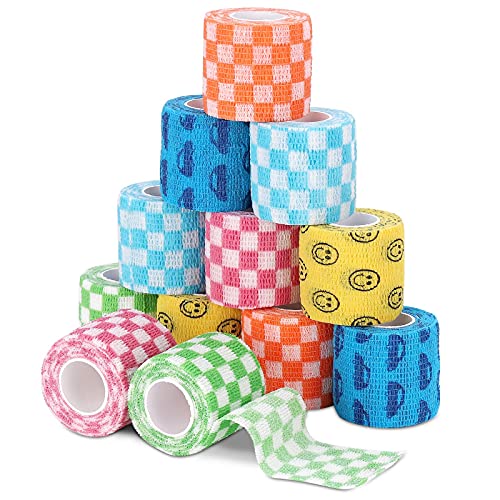
- Self-adhering with no clips needed
- Breathable lightweight porous fabric
- 12 individually bagged rolls
Best For: Light wrapping and pet care support
Protective Chicken Booties

- Shields injured feet from dirt and moisture
- Open-toe design supports airflow
- Cushioned nylon-covered neoprene build
Best For: Chickens with bumblefoot or foot wounds
Bulk Cohesive Wrap

- Self-adhering with hand-tear convenience
- Soft, breathable non-woven material
- 24 rolls for frequent use
Best For: Light support, dressing, and general pet care
Bumblefoot Relief Bootie
Chicken Shoes for Injured Feet

- Neoprene bootie shields injured feet from dirt and moisture
- Open-toe design promotes airflow and comfort
- Made for bumblefoot and other chicken foot injuries
Best For: Chickens needing cushioned outdoor protection during foot recovery
Flexible Vet Wrap
Self Adhesive Bandage Wrap 4 in

- Self-cohesive wrap sticks to itself for easy application
- Breathable non-woven fabric stays soft and lightweight
- Tears by hand for quick first-aid use
Best For: Quick, breathable wrapping and swelling control
Red Bumblefoot Relief Bootie
Chicken Shoes for Injured Feet

- Protective neoprene shoe helps shield injured feet
- Open-toe build supports airflow during healing
- Includes instruction pamphlet and one pair of shoes
Best For: Chickens recovering from foot injuries who need a red bootie option
Reusable Cotton Compression Wrap

- Soft cotton, breathable, latex-free design
- Self-closing ends for quick secure wrapping
- 6-inch width with 15-foot stretch
Best For: Large-area support and recovery wraps
Mixed-Size Compression Kit

- Two 3-inch rolls and two 4-inch rolls
- Thick polyester for strong compression
- Includes 12 extra clips and individual packaging
Best For: Firm support and first-aid kit coverage
Self-Adhesive Cohesive Wrap

- Self-adheres without clips or extra aids
- Tears by hand for fast wrapping
- 1-inch porous fabric for small-area support
Best For: Quick wraps for wrists, ankles, and fingers
Poultry Splint Kit – 6 Sizes Leg Brace Set
If you need a chicken injury recovery wrap for serious leg or toe problems, this splint set is built for more than simple support. It is designed to stabilize broken legs, bumblefoot, curled toes, and splayed legs with a rigid, angled fit that helps keep the limb aligned during recovery.
Best For: Chickens, ducks, and geese needing structured leg or foot stabilization during injury recovery.
Pros:
- Includes 6 sizes to fit chicks, ducklings, goslings, and adult poultry.
- 110° angled design helps match natural foot curvature and reduce joint strain.
- Durable PETG build with tie-lock grooves for a secure fit.
- Ventilated base helps keep the foot dry during longer wear.
Cons:
- More rigid than a soft wrap, so it is meant for stabilization rather than flexible coverage.
- Requires sizing and careful application for the best fit.
This is a practical choice when the goal is controlled immobilization rather than light compression. The reusable, easy-to-clean design also makes it useful for ongoing poultry care and repeat use.
Self-Adhering Vet Wrap – 12-Roll Multipurpose Bandage
For a chicken injury recovery wrap that can handle light compression, dressing support, or general pet care, this self-adhering bandage is a flexible option. It is lightweight, breathable, and made to stick to itself without clinging to hair or skin, which makes it easier to use on animals and around delicate areas.
Best For: Light, breathable wrapping for poultry and other pets when you need self-adhering support.
Pros:
- Self-adhering design helps it stay in place without clips or pins.
- Porous, lightweight fabric is breathable and non-allergenic.
- Easy to tear by hand for quick application.
- 12 individually bagged rolls provide plenty for repeated use.
Cons:
- It is a soft cohesive wrap, not a rigid support for major leg injuries.
- 2-inch width may be more than needed for very small applications.
This is best suited to situations where you want quick, simple wrapping with good ventilation and easy handling. It is a versatile first-aid style roll, but it is not a substitute for splints when firm immobilization is required.
Protective Chicken Booties – Open-Toe Neoprene Shoes
If you want a chicken injury recovery wrap alternative that protects the foot itself, these chicken shoes focus on shielding injured areas from dirt, moisture, and rough surfaces. The open-toe design and cushioned neoprene build are meant to support recovery from bumblefoot and other foot injuries while allowing airflow.
Best For: Chickens with injured feet that need protective coverage and cushioned support.
Pros:
- Shields wounds from dirt, moisture, and sharp surfaces.
- Open-toe design helps promote airflow and circulation.
- Durable nylon-covered neoprene construction adds cushioning.
- Left and right shapes help improve fit.
Cons:
- Made for standard chickens, so sizing is more limited.
- Hand-wash care adds a little extra maintenance.
These booties are a good fit when the main concern is protecting a healing foot during movement, not immobilizing the whole leg. They are especially useful if you want coverage plus comfort rather than a traditional wrap.
Bulk Cohesive Wrap – 24-Pack Vet Bandage Rolls
This chicken injury recovery wrap option is a simple, general-purpose cohesive bandage that works well when you want a self-sticking layer for basic support or protection. It is soft, breathable, and easy to tear by hand, making it convenient for quick first-aid use on pets or for other wrapping tasks.
Best For: Budget-friendly self-adhesive wrapping for light injury support and pet care.
Pros:
- Self-adhering design does not need clips or pins.
- Breathable non-woven material is soft and easy to wrap.
- Hand-tearable for fast, tool-free use.
- 24-pack offers a large supply for repeated needs.
Cons:
- Not a rigid brace for broken legs or severe foot correction.
- Primarily a general cohesive wrap, so it is less specialized than poultry-specific gear.
If you need a versatile roll for light wrapping and routine pet care, this pack is practical and easy to keep on hand. For more serious poultry injuries, though, a splint or protective shoe will usually be a better match.
Bumblefoot Relief Bootie – Chicken Shoes for Injured Feet
If you need a chicken injury recovery wrap alternative for a foot wound, these protective chicken shoes are built to shield injured feet from dirt, moisture, and rough ground. The open-toe neoprene design is aimed at bumblefoot relief and everyday support while your bird heals.
Best For: Chickens with bumblefoot or other injured feet that need cushioned, breathable outdoor protection.
Pros:
- Neoprene build with nylon covering for durable, cushioned protection
- Open-toe design supports air circulation and helps prevent overheating
- Designed to protect wounds from dirt, moisture, sharp surfaces, and cold weather
- Left and right shapes help improve fit
Cons:
- Hand wash only, so cleaning takes extra care
- Only sold as one pair, which may not suit multi-bird needs
- Standard size may not fit smaller or larger chickens
For foot injuries that need more structured protection than a wrap alone, this is a practical recovery option. It focuses on comfort, airflow, and shielding, making it a strong pick for supervised healing and short walks.
Flexible Vet Wrap – Self Adhesive Bandage Wrap 4 in
This self-adhesive wrap is a useful chicken injury recovery wrap when you need breathable compression and quick coverage for first-aid tasks. It stretches well, sticks to itself, and tears by hand, so it can be applied fast in a coop, barn, or travel kit.
Best For: Fast, breathable wrapping for minor injuries, swelling control, and general first-aid use.
Pros:
- Stretches up to 2.5 times its length for firm support
- Self-cohesive design sticks to itself, not skin or hair
- Breathable, soft non-woven fabric for comfortable wear
- Tears by hand for quick application without tools
Cons:
- Not specific to chickens, so fit and use depend on the injury
- Sold as a 6-pack, which may be more than a one-time need
- Best for wrapping support, not rigid protection
As a flexible wrap, this product is better for coverage and compression than for hard-shell protection. It works well as a general-purpose recovery supply when you want something breathable, simple to apply, and easy to keep on hand.
Red Bumblefoot Relief Bootie – Chicken Shoes for Injured Feet
If you are comparing options for a chicken injury recovery wrap setup, these chicken shoes offer a more structured way to protect a wounded foot. They are designed to shield injured feet from dirt and moisture while giving cushioned support for bumblefoot and other recovery needs.
Best For: Chickens with injured feet that need breathable, cushioned protection in a bright red style.
Pros:
- Open-toe neoprene design helps keep air moving around the foot
- Durable nylon-covered neoprene with a flexible 3 mm base
- Made to help protect wounds from sharp surfaces and cold weather
- Includes an instruction pamphlet for setup guidance
Cons:
- Hand wash only, so care is not especially convenient
- Only available as one pair
- Standard chick size may not fit every bird
This version offers the same recovery-focused shoe design with a different color option. It is a sensible pick if you want foot protection that balances coverage, breathability, and simple day-to-day wear during healing.
Reusable Cotton Compression Wrap – 6-Inch Support Bandage
If you need a chicken injury recovery wrap that’s simple, breathable, and easy to reuse, this 6-inch elastic bandage is a practical option. The cotton construction is skin-friendly and latex-free, while the self-closing ends help you secure a wrap quickly around larger areas without constant readjustment.
Best For: Larger wraps on legs, knees, ankles, feet, or securing dressings during recovery.
Pros:
- Soft cotton, breathable, and latex-free for comfortable wear
- Self-closing ends help it stay in place without slipping
- 6-inch width and 15-foot stretch suit larger support areas
- Reusable and individually sealed for hygiene and storage
Cons:
- Only one width in this pack, so it is less flexible for small areas
- Self-closure design may not feel as adjustable as clip-based wraps
Overall, this is a straightforward recovery wrap for users who want a soft, washable compression bandage with easy application. Its wider size makes it better for bigger coverage needs than for fine, precision wrapping.
Mixed-Size Compression Kit – Firm Support Bandages
This chicken injury recovery wrap option is built for firmer compression and a more versatile first-aid kit setup. With two 3-inch rolls and two 4-inch rolls, it gives you size choices for smaller or larger wrap jobs, and the polyester material is made to stretch up to 15 feet for strong support.
Best For: Firm compression on ankles, knees, wrists, arms, and post-surgery recovery.
Pros:
- Thick polyester material provides strong, lasting compression
- Includes both 3-inch and 4-inch rolls for different wrap needs
- Breathable and skin-friendly for extended wear
- Comes individually packaged and includes 12 extra clips
Cons:
- Firm compression may be more than some users want for light support
- Pack focuses on two widths rather than a single specialized size
For buyers who want a more supportive wrap kit rather than a soft all-purpose bandage, this set is a strong pick. The mixed sizing and extra clips make it especially useful for keeping a first-aid kit ready for different injury scenarios.
Self-Adhesive Cohesive Wrap – Easy-Tear Athletic Tape
If you want a chicken injury recovery wrap that sticks to itself without clips or extra fasteners, this cohesive bandage is the most convenient choice here. The 1-inch rolls are easy to tear by hand, and the porous fabric is designed to be gentle on skin while still providing support for wrapping smaller areas.
Best For: Quick self-adhering support on wrists, ankles, fingers, and other small areas.
Pros:
- Self-adhesive design does not need clips or tape
- Easy to tear by hand for fast application
- Porous fabric is breathable and skin-friendly
- 12-pack offers plenty of rolls in assorted colors
Cons:
- 1-inch width is better for smaller wrap areas than larger coverage
- Non-sterile, so it is best used as a support wrap rather than wound care
This is the most flexible grab-and-wrap option in the group for smaller support jobs. It is a smart pick if you want quick application and a wrap that holds without extra hardware.
How We Picked the Best Chicken Injury Recovery Wrap
We looked for products that serve real poultry recovery needs, not just general-purpose bandages. Priority went to secure fit, gentle materials, practical sizing, and designs that are easier to apply and remove when handling chickens.
Because recovery gear often needs to do more than one job, we also considered whether each option helps with stabilization, wound protection, or traction reduction during healing.
Quick Comparison: Wraps, Splints, and Protective Footwear
A Chicken Injury Recovery Wrap is not always the right tool for every problem. Cohesive and elastic wraps are useful for holding dressings in place and providing light support. Splint sets are better for more serious leg or toe alignment needs. Protective chicken shoes can help with foot sores, bandage protection, and reducing friction on sensitive feet.
If you need flexible, reusable support, wraps are usually the most versatile choice. If the issue involves a structural injury, a brace or splint is often more appropriate. For bumblefoot or protected walking, footwear can be the smarter option.
Key Buying Factors for Chicken Injury Recovery Wrap
Fit and Size
Choose a width and length that matches the bird’s leg or foot without excessive bulk. Too-small wraps can cut in; too-large wraps can loosen or bunch up.
Adhesion and Security
Self-adhering and cohesive wraps are popular because they stay put without clips or tape. That matters when a bird moves around, preens, or gets handled daily.
Breathability and Comfort
Look for soft, breathable materials that limit heat and moisture buildup. A good Chicken Injury Recovery Wrap should support healing without trapping too much humidity against the skin.
Protection Level
For open wounds, choose a setup that covers dressings securely and reduces rubbing. For foot injuries, open-toe or padded designs can help preserve mobility while still offering protection.
Ease of Use
Simple application matters, especially if you are changing wraps often. Reusable bandages, self-closure options, and wrap styles that trim easily can save time and reduce handling stress.
Who Should Buy Which Chicken Injury Recovery Wrap?
If you need light, adjustable support for dressings or minor injuries, a cohesive elastic wrap is usually the best starting point. If the bird has a more specific leg issue such as curled toes, a splint set is a better match. If the problem is primarily on the foot or sole, protective chicken shoes may be the most practical choice.
For most owners, the best setup is the one that matches the injury type first, then the bird’s size and recovery routine second. That approach helps you avoid over-treating a minor issue or under-supporting a serious one.